


SIR HUGH DESPENSER
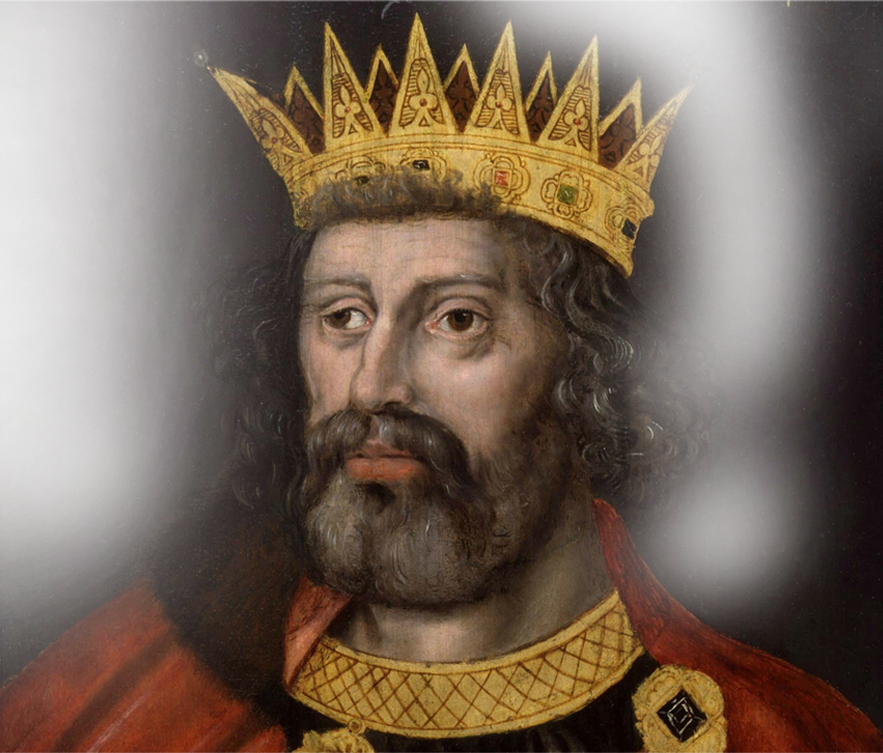
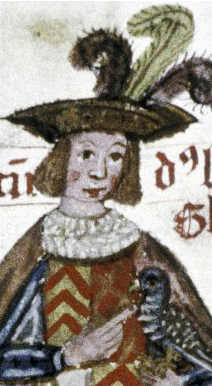
Sir Hugh Despenser the Younger was one of the most polarizing and rapacious figures of fourteenth-century England. Born into an aristocratic family, his life was defined by an insatiable hunger for wealth, unprecedented political influence, and a controversial relationship with King Edward II. As the king’s premier favourite, Despenser rose from a relatively minor knight to become the de facto ruler of the kingdom, reshaping the English court through a mixture of administrative competence, blackmail, and ruthless greed.
Despenser’s authority extended deep into the English countryside, where his privileges reflected his immense status. His power was tied closely to the land, including his extensive rights to hunt. However, in accordance with the law, his right to hunt explicitly excluded the king’s deer, a restriction meant to safeguard the crown’s ultimate sovereignty over the royal forests. Instead of chasing the royal venison, Despenser used his legal hunting privileges to assert territorial dominance over lesser game, aggressively controlling vast woodlands and restricting local populations from accessing vital natural resources on his newly acquired lands.
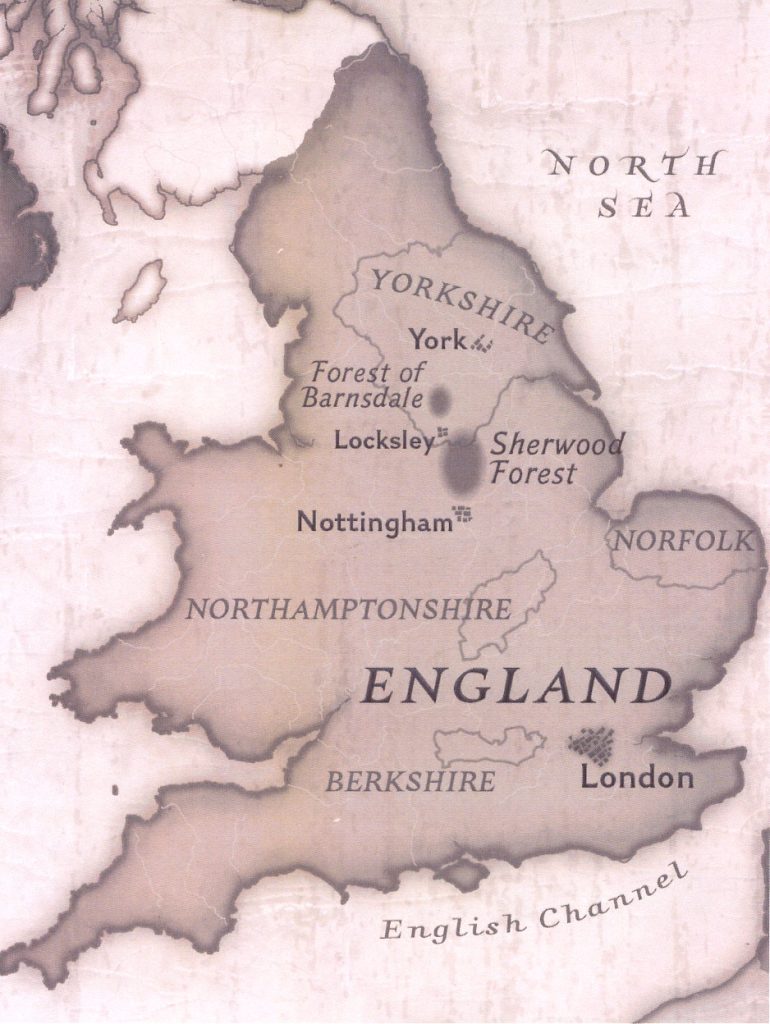
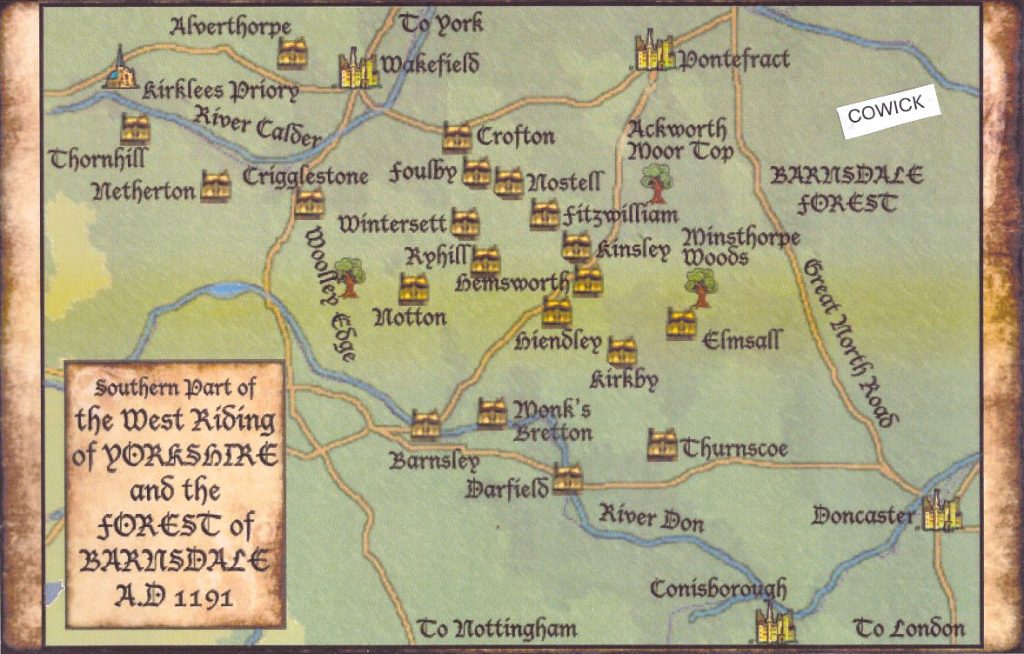
This combination of political administration and regional control frequently brought Despenser to Yorkshire, leading to his well-documented visit to Cowick Lodge, a favored royal manor and administrative seat for Edward II. Despenser stayed at the lodge alongside the monarch during military campaigns and court tours of the north. At Cowick, away from the stressful politics of Westminster, Despenser managed court factions, issued royal decrees, and indulged in the prestigious sport of hunting.
However, Despenser’s meteoric rise sparked deep resentment among the English baronage. His aggressive land grabs and manipulation of the legal system eventually alienated Queen Isabella and her ally, Roger Mortimer. In 1326, Isabella and Mortimer launched a successful invasion of England, capturing the king and his favourite. Despenser’s life ended in a famously brutal fashion at Hereford in November 1326. Condemned as a traitor, he was dragged through the streets, tied to a 50-foot ladder, and castrated. While still conscious, he was partially hanged, disembowelled, and his entrails were burned before him. Finally, he was beheaded and quartered, his remains distributed across the kingdom as a grim warning of the price of unchecked ambition.