
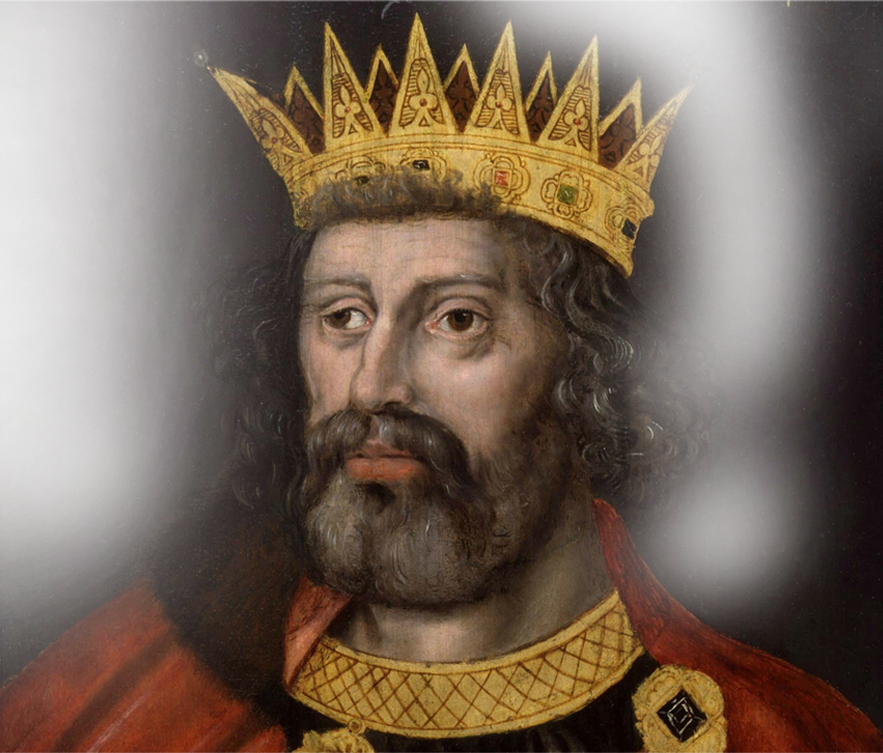


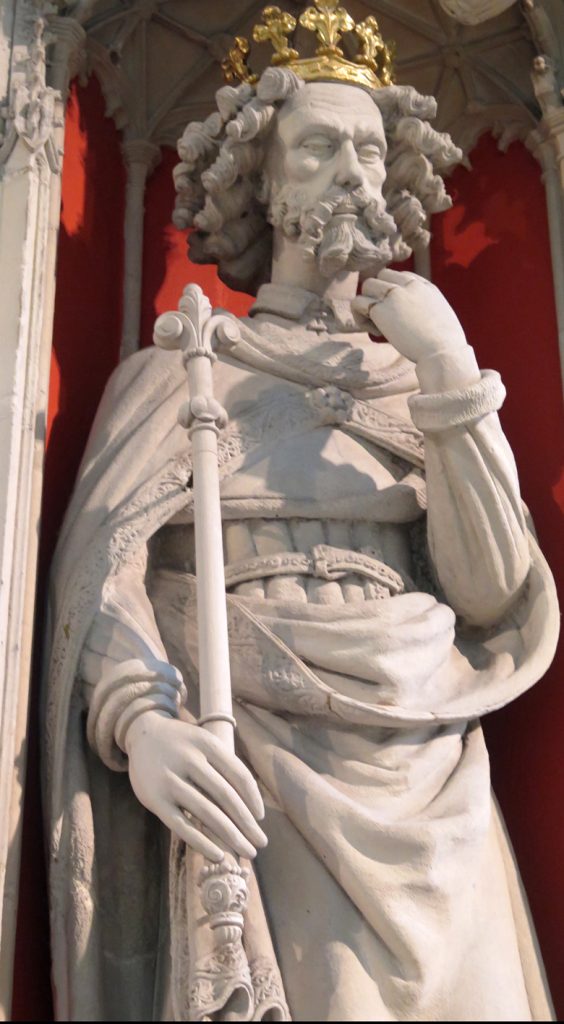
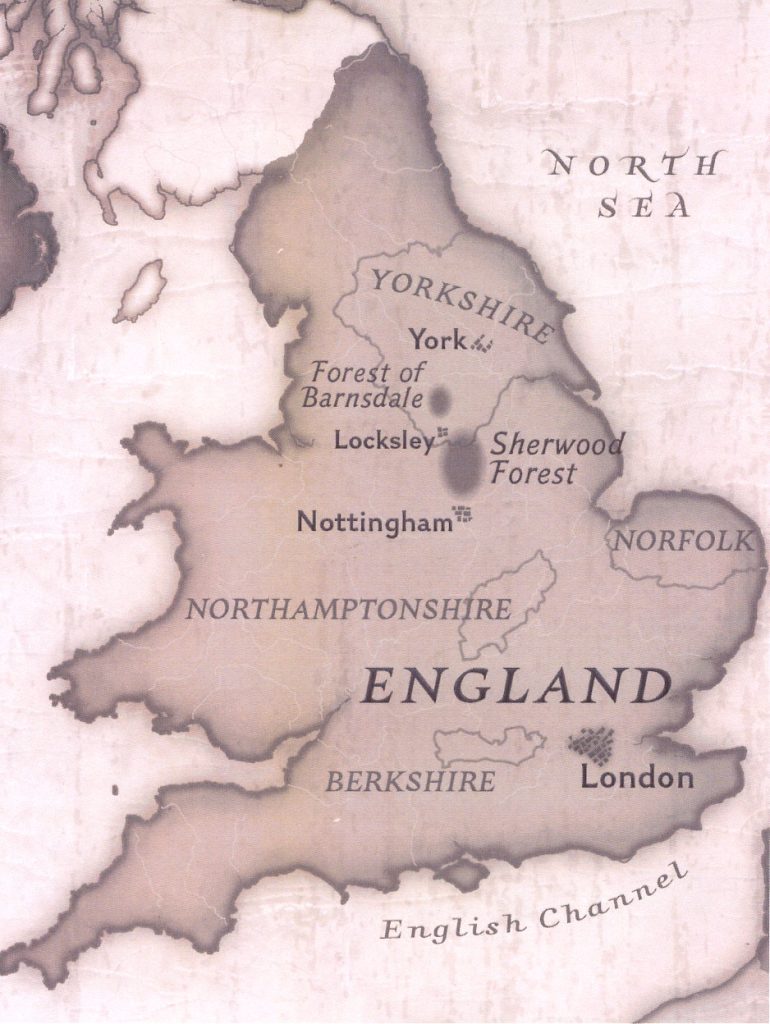
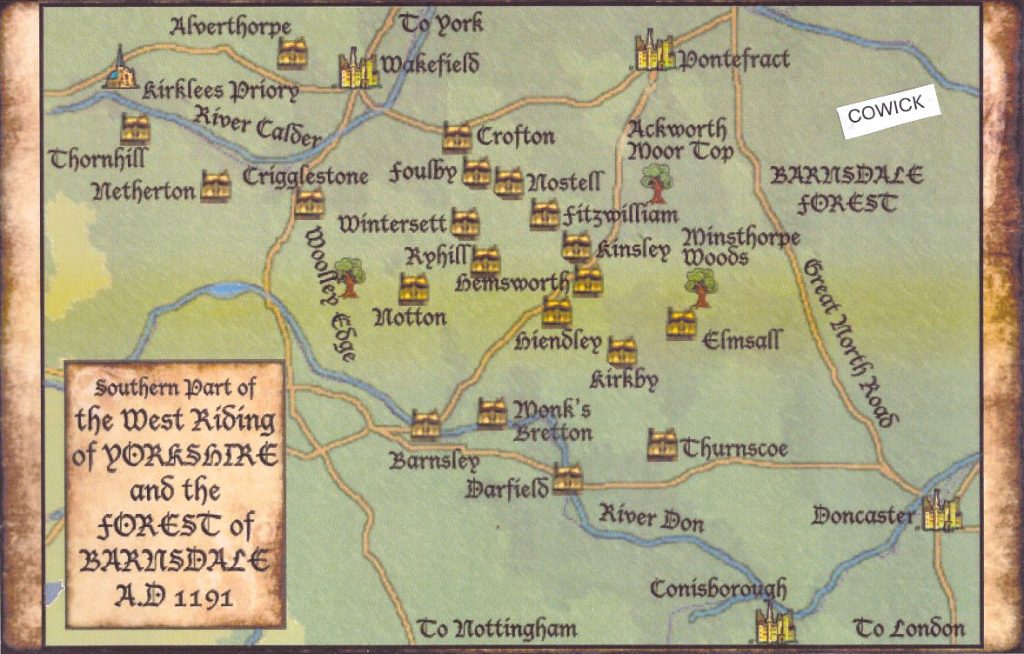
During the turbulent reign of King Edward II, the North of England—and Yorkshire in particular—became the strategic heart of royal governance. Driven south by devastating Scottish raids and plagued by domestic rebellion, Edward II increasingly relied on Yorkshire as a military staging ground and a refuge from the hostile political atmosphere of London. It was during this period of intense northern focus that Cowick briefly emerged as a focal point of English political, architectural, and defensive history.
In the wake of his crucial victory over rebellious barons at the Battle of Boroughbridge in 1322, Edward II sought to consolidate his authority over a fractured kingdom. Rather than returning to the traditional southern capitals, the King summoned a parliament to meet at Cowick in 1323. Accompanying the King was his deeply influential and avaricious royal favourite, Hugh Despenser the Younger, who effectively co-steered the administration during this era of tyrannical rule. Holding parliament in this corner of Yorkshire underscored the region’s newfound geopolitical importance. At Cowick, the King, Despenser, and the royal council tackled pressing administrative matters—including issuing the Ordinance of Cowick to reform the royal household—managed the fragile landscape of northern defence, and processed the forfeitures of the defeated rebel barons.
Edward’s connection to Cowick extended beyond temporary politics into lasting engineering. Captivated by the area, the King chose to transform the existing royal hunting lodge at Cowick into a fortified manor house. Central to this transformation was the construction of a substantial protective moat, a vital defensive feature designed to safeguard the king and his court from lingering domestic rebels or Scottish invaders. Edward poured significant resources into upgrading the site, utilising the newly dug moat to enclose a grand hall, private royal chambers, and a dedicated chapel. By elevating a simple lodge into a fully moated manor house, Edward created a secure, comfortable northern residence where he could combine his love for outdoor leisure with the grim realities of medieval governance.
Ultimately, Edward II’s activities at Cowick in 1323 epitomised his broader relationship with Yorkshire. The province served as his shield against the Scots and his stronghold against aristocratic dissent. While his reign would end in deposition and the gruesome execution of Hugh Despenser just four years later, the parliament, manor house conversion, and defensive moat at Cowick remain a vivid testament to a king who made the North of England the true seat of his royal power
.