


KING HENRY III
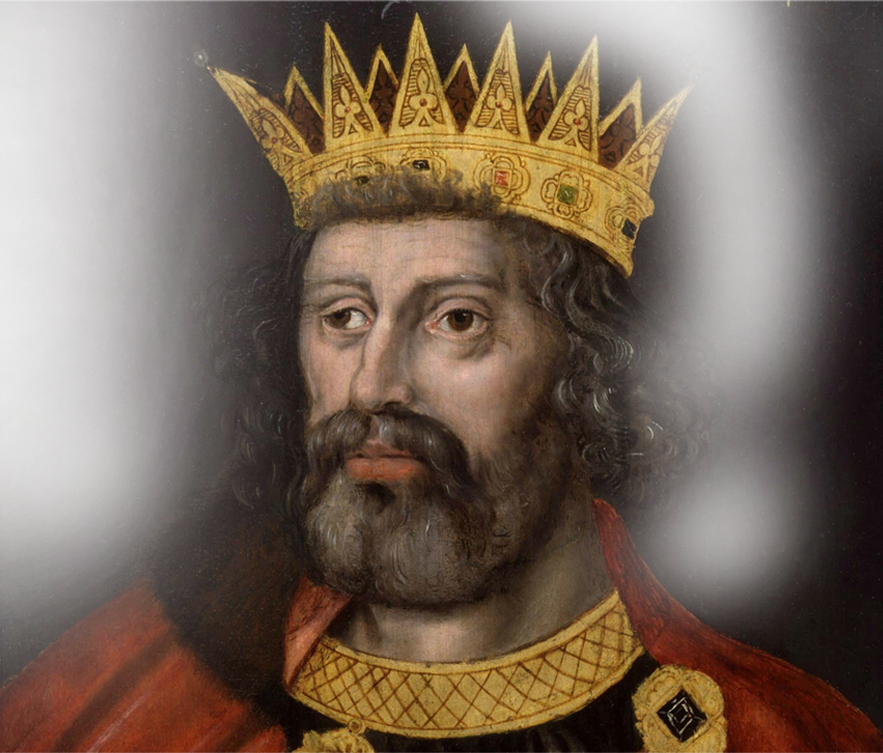
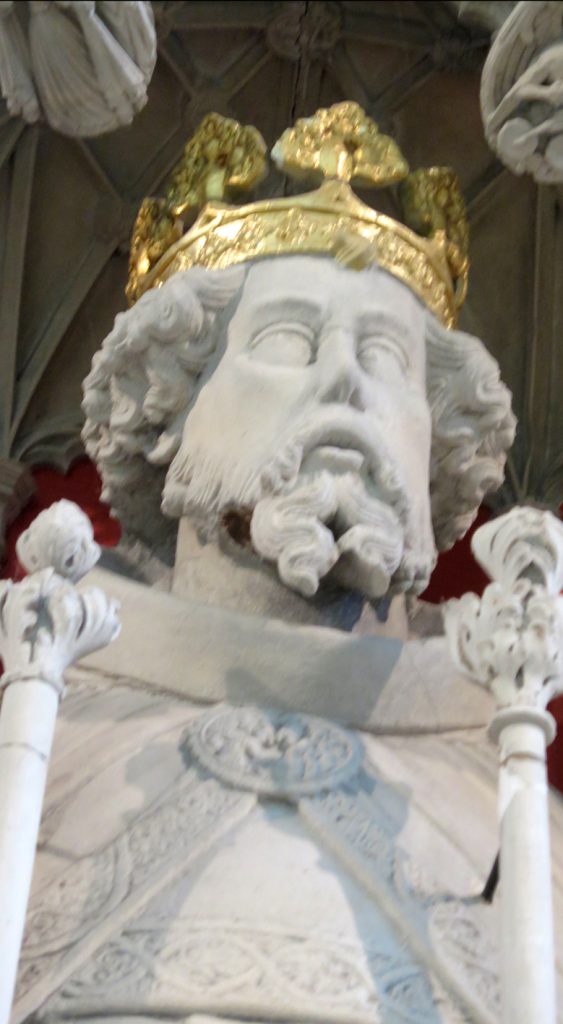
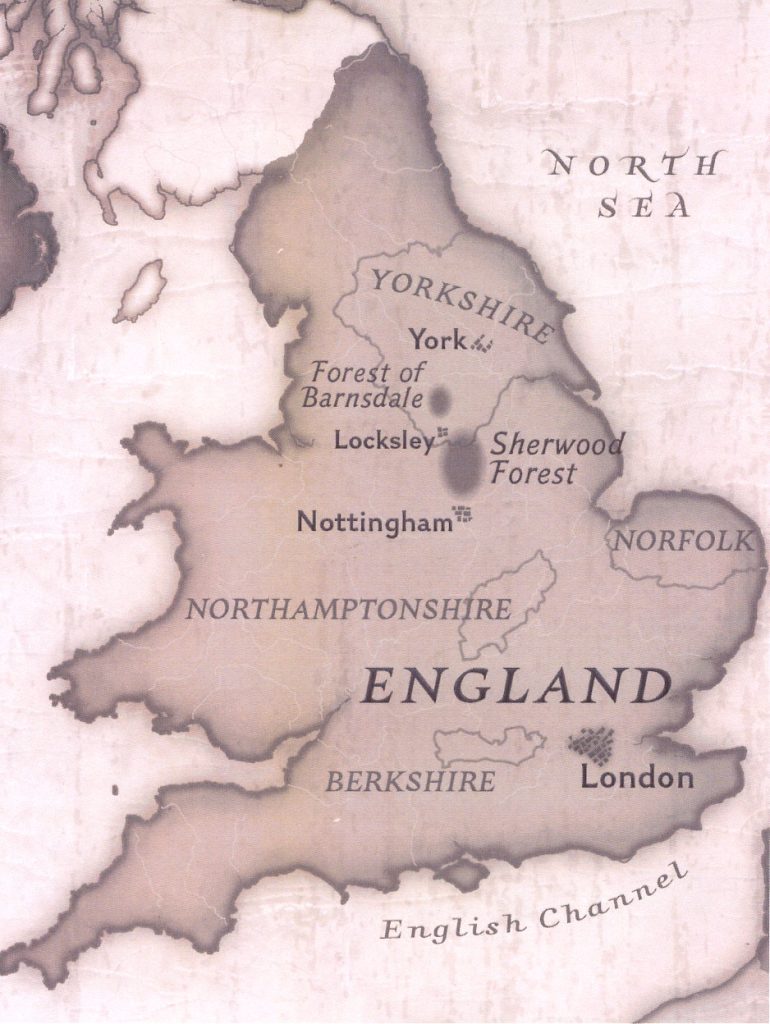
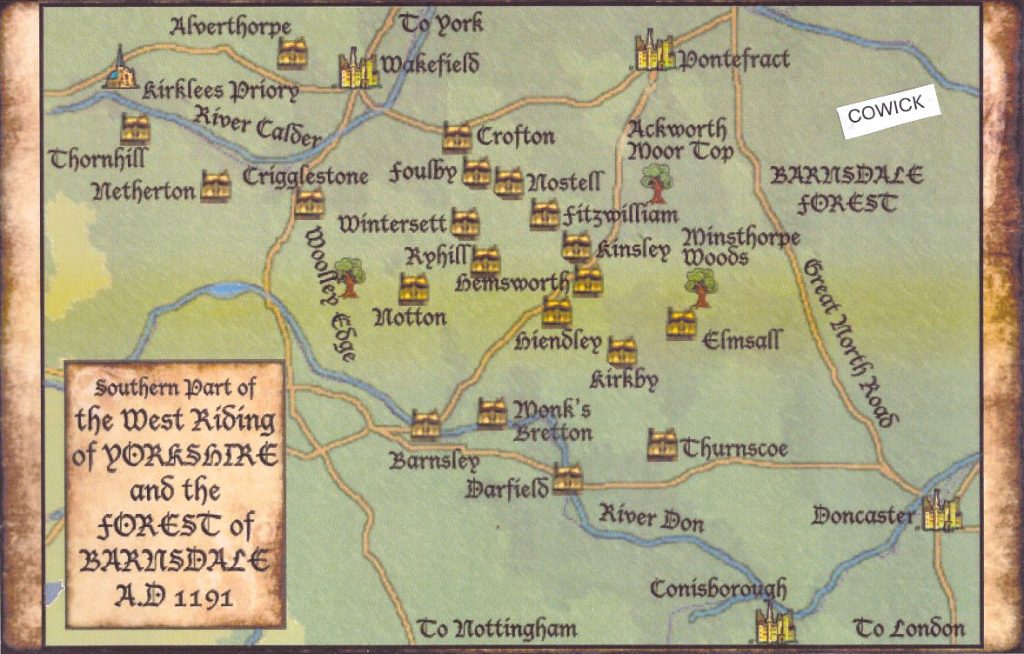
King Henry III, who ruled England from 1216 to 1272, was a monarch deeply invested in architecture, piety, and the administrative control of his kingdom. Unlike his successors, Henry maintained a mobile court, traveling extensively to reinforce royal authority. A vital, yet often overlooked, hub during his northern progresses was the royal hunting lodge at Cowick, Yorkshire.
Cowick functioned as both a functional administrative base and a private retreat. Situated near fertile hunting grounds, the lodge allowed the King to indulge in his passion for the sport, which served as a crucial networking tool for medieval nobility. However, his visits were rarely pure leisure. When Henry resided at Cowick, the lodge transformed into a microcosm of Westminster. Royal clerks, ministers, and guards packed the estate. Courtiers issued royal charters, signed writs, and managed regional diplomacy from within its timber walls. The local economy scrambled to support these visits, as the royal household demanded massive quantities of food, wine, and fodder. Cowick provided the King with a secure, intimate space to govern the north away from the crowded urban centers.
When Henry did venture into major northern hubs, his focus shifted to grand fortification projects. He heavily influenced the development of York, recognizing its strategic importance against Scottish threats and domestic rebellions. Henry ordered the rebuilding of York Castle, transforming the old wooden motte-and-bailey structure into a formidable stone fortress, which included the construction of the unique, quatrefoil-shaped Clifford’s Tower. Simultaneously, he funded and encouraged the upgrading of York’s medieval city walls, replacing earthen ramparts with stone defenses and grand gateways. Through the rustic utility of Cowick and the stone majesty of York, Henry III successfully projected his royal majesty across the medieval north.