


QUEEN ISABELLA
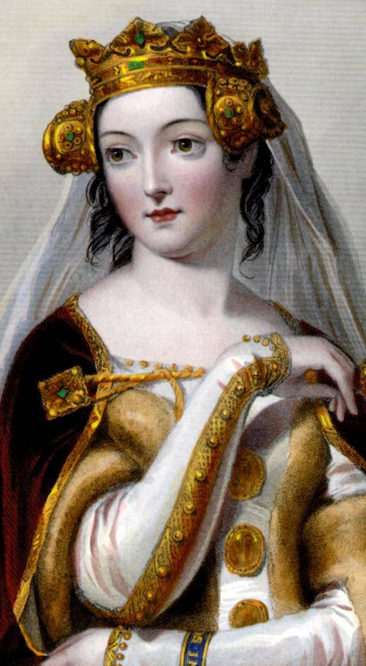
Isabella of France stands out as one of the most formidable and politically astute figures of the medieval era. Historically mislabelled by later chroniclers as the “She-Wolf of France,” her remarkable life was defined by diplomatic genius, a volatile marriage, and a historic coup that fundamentally altered the lineage of the English monarchy.
Married at just twelve years old to King Edward II, Isabella inherited a fractured court. While the iron-willed Edward I had fiercely dominated the realm, his son’s reign rapidly deteriorated into instability and internal repression. Edward II’s reckless financial extravagance and extreme favouritism toward figures like Piers Gaveston and Hugh Despenser the Younger deeply alienated the English nobility. Frustrated by her own political exclusion and the tyranny of the Despensers, Isabella took refuge in France during a 1325 diplomatic mission. There, she forged a powerful alliance with the exiled Marcher lord, Roger Mortimer. In 1326, the duo launched a swift and highly successful invasion of England, forcing Edward II to abdicate the throne in favour of their teenage son, King Edward III.
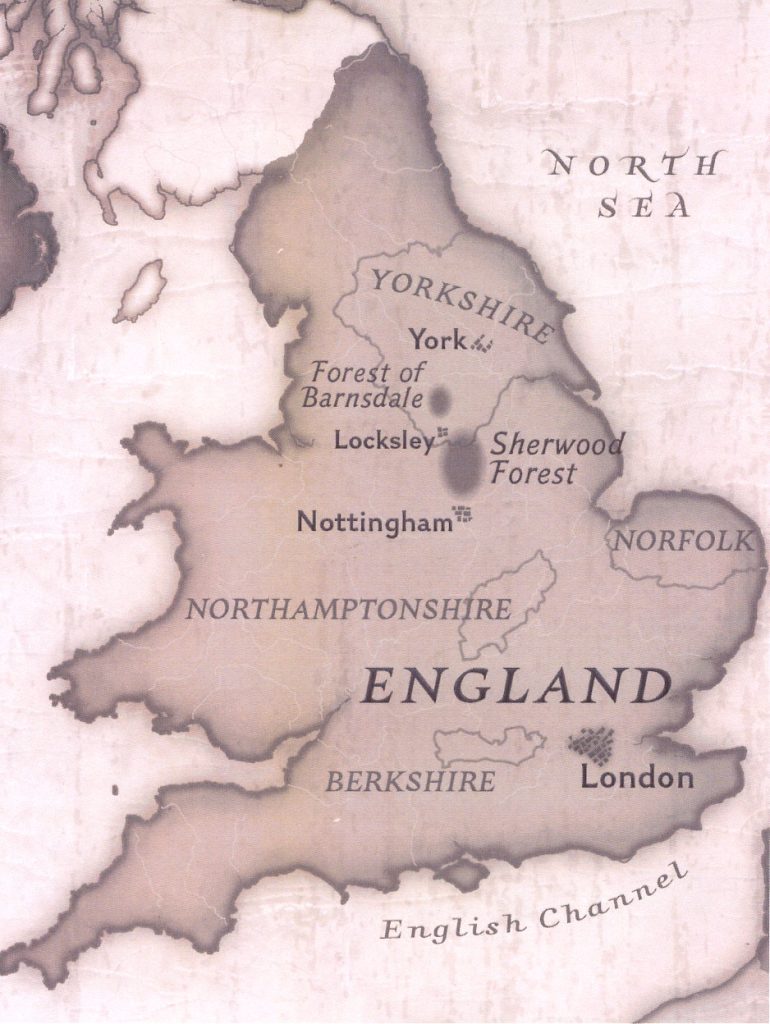
Isabella’s turbulent life frequently brought her the North of England. During the height of the Anglo-Scottish conflicts in the early 1320s, while fleeing an advancing Scottish army, she famously stayed at Tynemouth Priory and narrowly escaped capture by sea. Isabella, eventually evacuated to the safety of Scarborough, was deeply traumatized and furious. She felt betrayed by her husband and her husband’s favourite, Hugh Despenser the Younger. She held them responsible for leaving her vulnerable to the Scots. This event permanently fractured her marriage and became one of the formal accusations Isabella and her allies leveraged against Despenser when she eventually invaded to overthrow King Edward II in 1326.
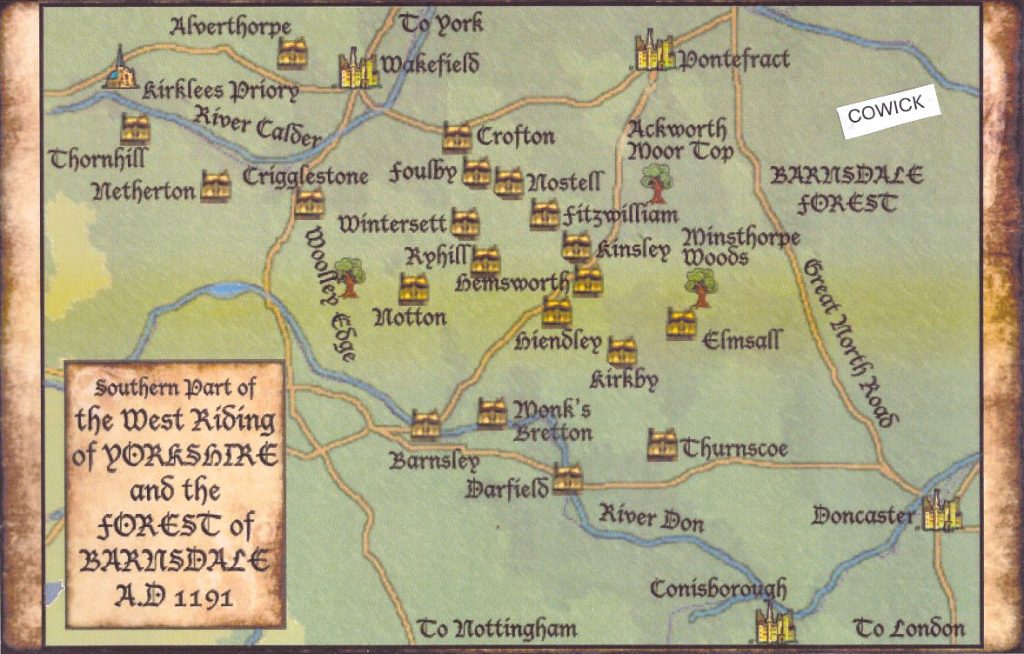
Her connection to the region deepened at the Cowick royal manor, a historic residence located in the West Riding of Yorkshire (near modern-day Snaith). Edward II had previously spent lavishly to upgrade the manor, transforming it into a vital regional center of government. Following the political upheaval and the successful overthrow of the old regime, the newly crowned Edward III invested further in the estate and formally gifted Cowick royal manor to his mother in 1327. Isabella enjoyed the comforts and revenues of the fortified, moated estate during her time as regent. Isabella’s journey from a neglected young bride to the ruler of a royal manor highlights her complex legacy: she was a resilient survivor who effectively reshaped the landscape of medieval England.