


KING JOHN
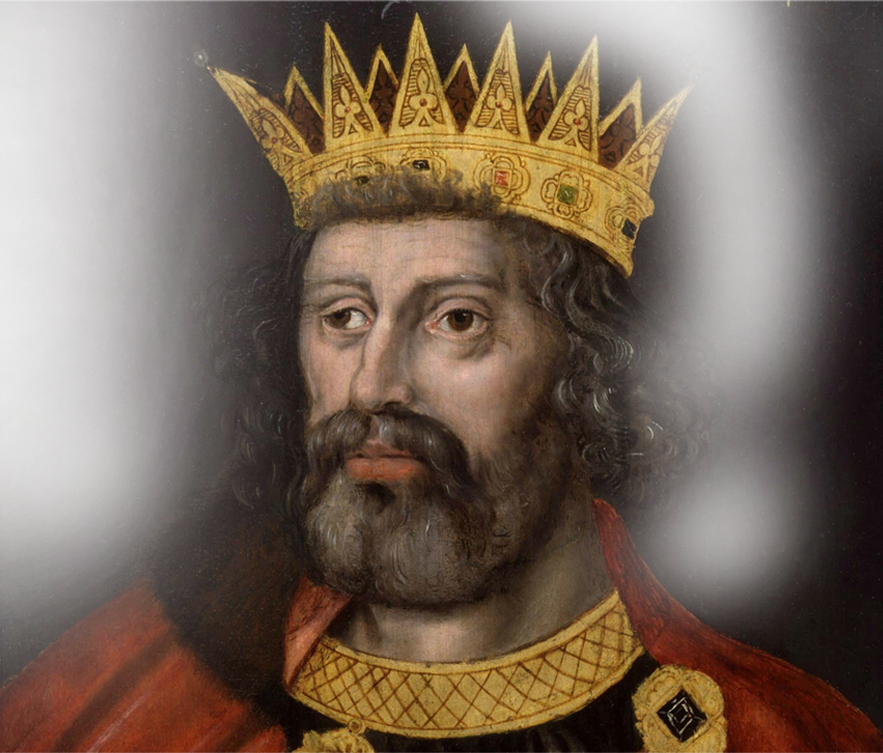
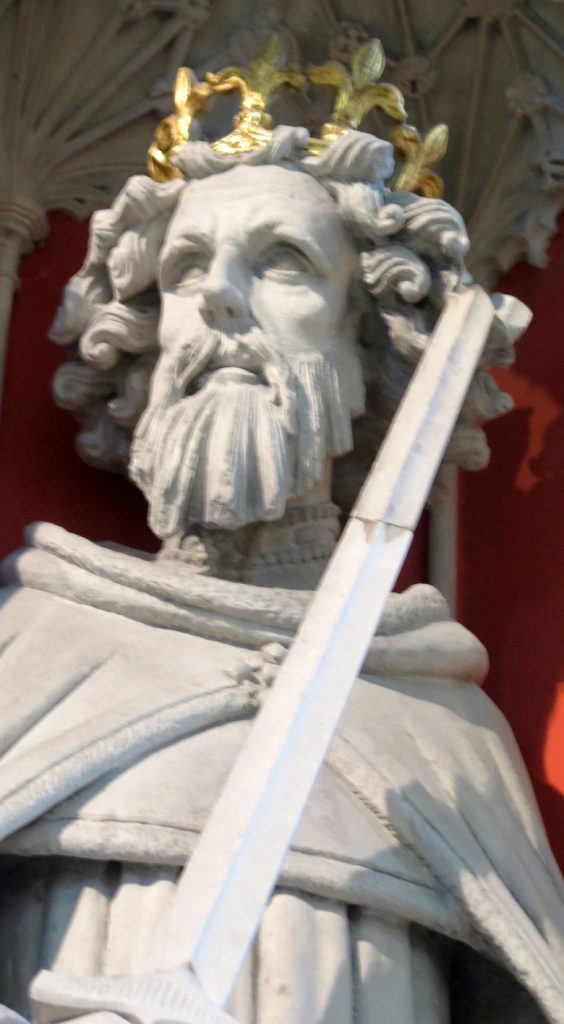
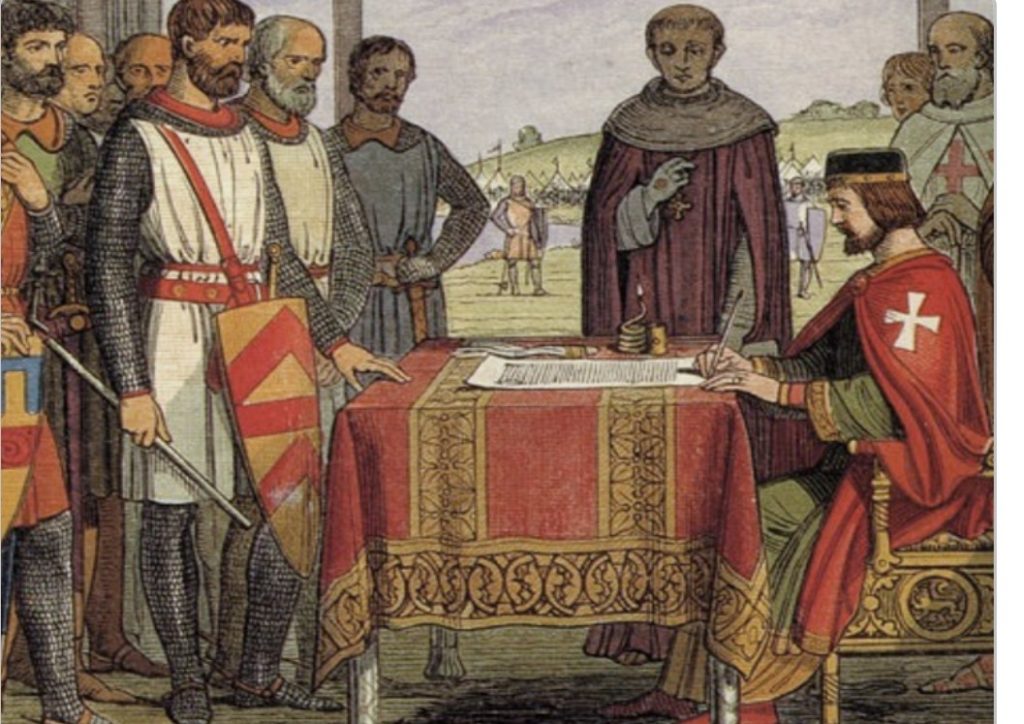
King John is one of the most controversial monarchs in English history, traditionally remembered for his political failures, the loss of Normandy, and the signing of Magna Carta. However, his reign from 1199 to 1216 was also characterised by an unprecedented level of administrative energy and direct royal governance, particularly visible in his frequent travels across his realm. Unlike his predecessors who spent much of their time in France, John was forced to remain in England after 1204, turning his attention heavily toward regions previously neglected by the Anglo-Norman crown, most notably the North of England.
The North had long been a semi-autonomous region, resistant to southern control and vulnerable to Scottish invasion. John sought to change this by visiting the area frequently. He made many extensive trips north of the River Trent, visiting cities like York, Durham, Newcastle, and Carlisle. During these tours, John aggressively asserted his authority, strengthened royal castles, and enforced the collection of heavy taxes.
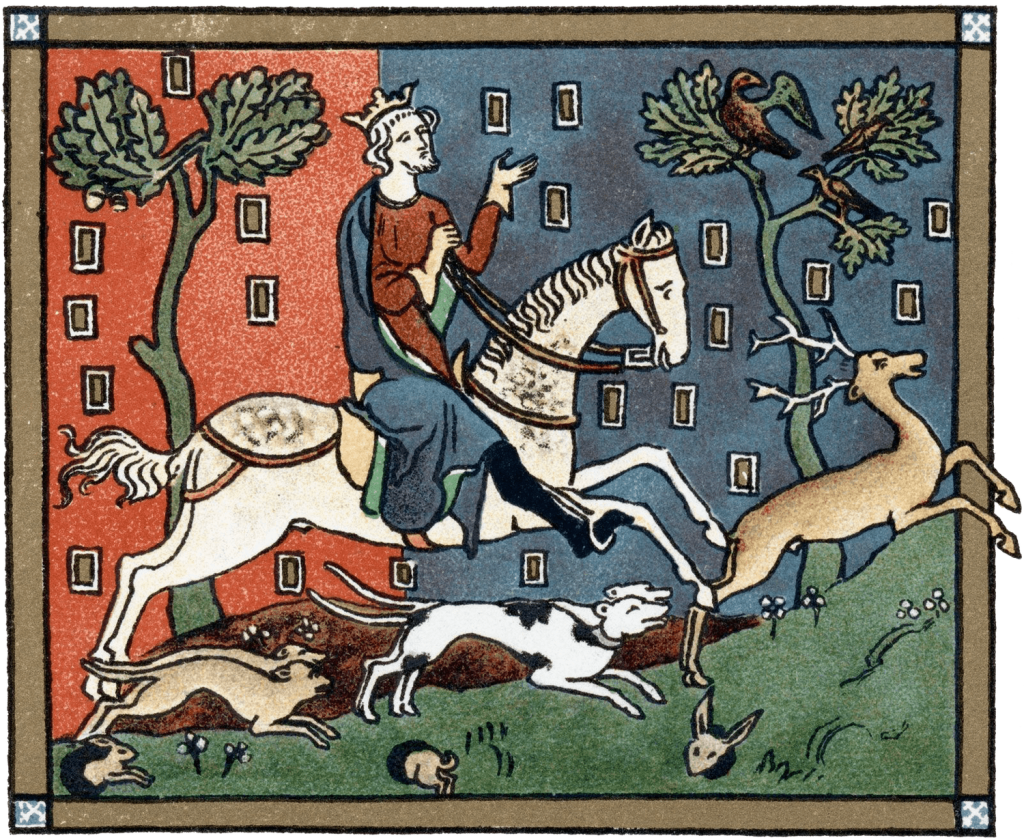
During his northern visits King John was able to indulge his love for hunting, which served both as sport and a means of projecting power across the landscape. This drew him to the royal lodge at Cowick. Situated near the rich hunting grounds of Hatfield Chase, this vital royal possession allowed John to base his court in the North while enforcing his presence.
While these visits integrated the North firmly into royal administration, John’s heavy-handed approach deeply alienated the northern barons. They resented his intrusive financial extortion, and when the baronial rebellion erupted in 1215, these lords formed the core opposition group known as “The Northerners”. Ultimately, King John’s relentless focus on the North succeeded in binding the region to the English state, but the immense political cost of his interventions directly triggered the crisis that defined his legacy.