


KING EDWARD III
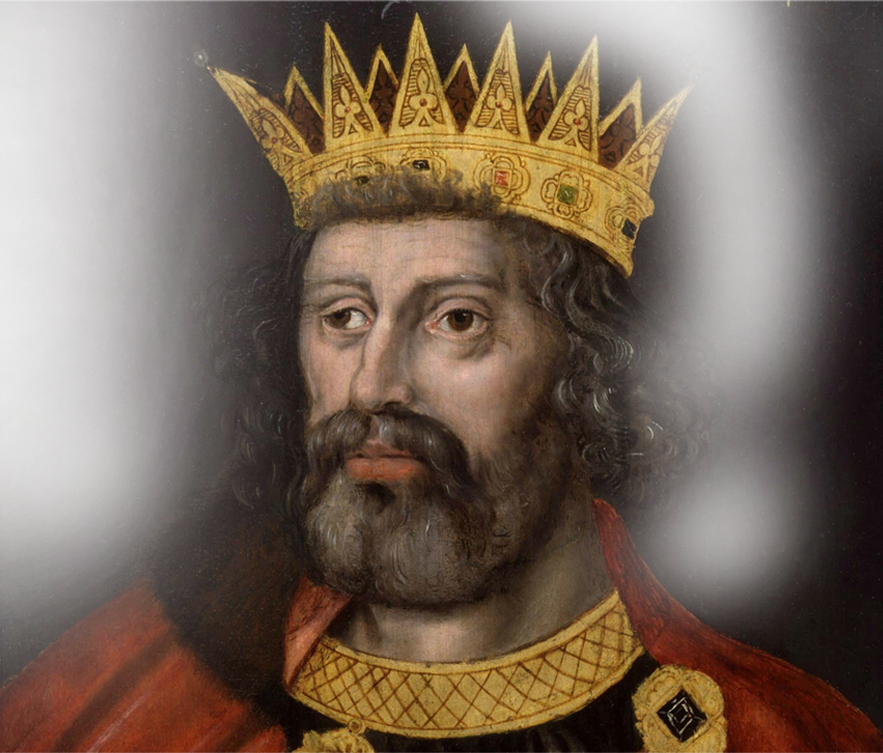
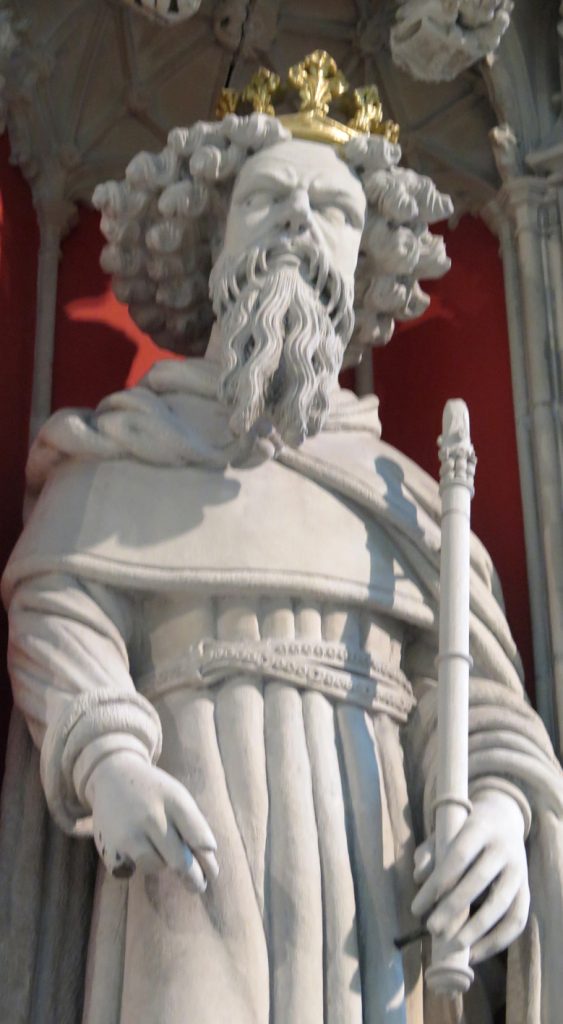
Edward III stands out as one of the most formidable and dynamic monarchs in medieval English history. Ruling for fifty years during the fourteenth century, his reign was defined by the outbreak of the Hundred Years’ War and the introduction of the Order of the Garter. While popular historic narratives frequently focus on his sweeping military campaigns across France, Edward III maintained a deeply personal, political, and strategic connection to the north of England, particularly Yorkshire.
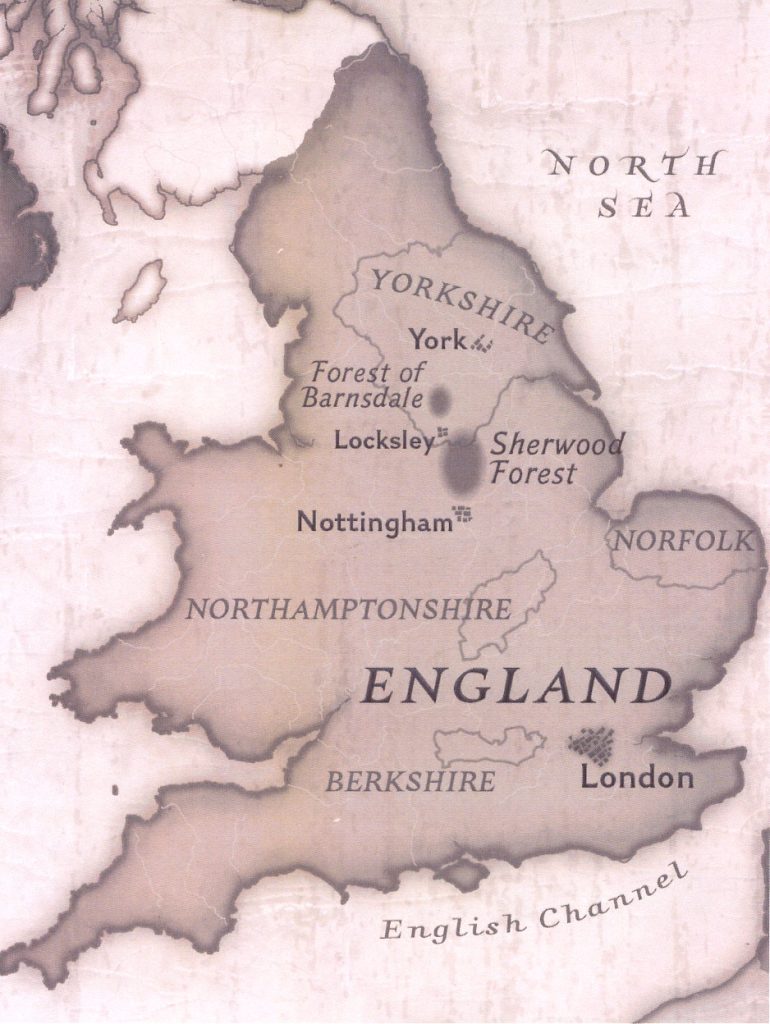
During the Scottish wars, Yorkshire served as a vital administrative and military hub. The king effectively relocated his national government to York, converting the city into a temporary capital to manage northern security. However, Edward’s ties to the region were also romantic and familial. In January 1328, the teenage king married Philippa of Hainault in a lavish ceremony at York Minster. Following their nuptials, the royal couple sought a private retreat, choosing the royal lodge at Cowick for their honeymoon.
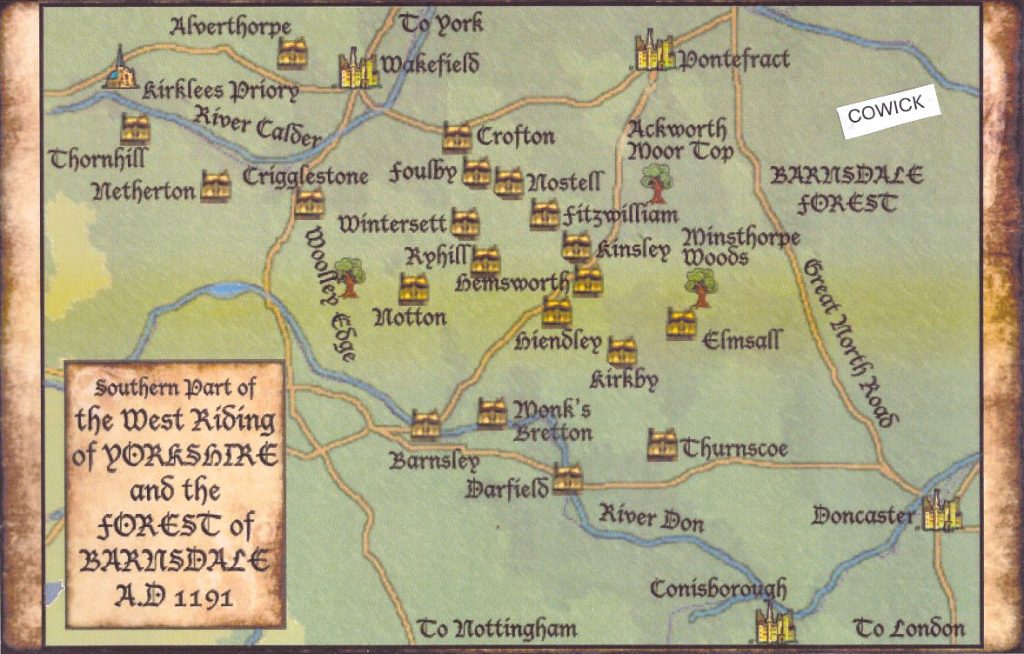
Cowick was an established manor of the English Crown. Recognising its strategic value near major waterways and prime hunting grounds he transformed Cowick into a secure, fully functional seat of local governance, utilizing the fortified complex to sign crucial state documents and hold council while remaining near the volatile Scottish border.
Intriguingly, the lodge also highlights the complex family dynamics of his early reign. In 1327, amid his accession to the throne, Edward III officially transferred the property at Cowick to his mother, Queen Isabella of France. This gift occurred during a volatile period when Isabella and her lover, Roger Mortimer, held substantial control as regents. The transfer underscored Cowick’s high status, ensuring it remained a prized asset within the immediate royal family before later reverting to his own queen, Philippa.